
Power Plant Pipe Stress: Engineering, Supports & B31.1 Field Services
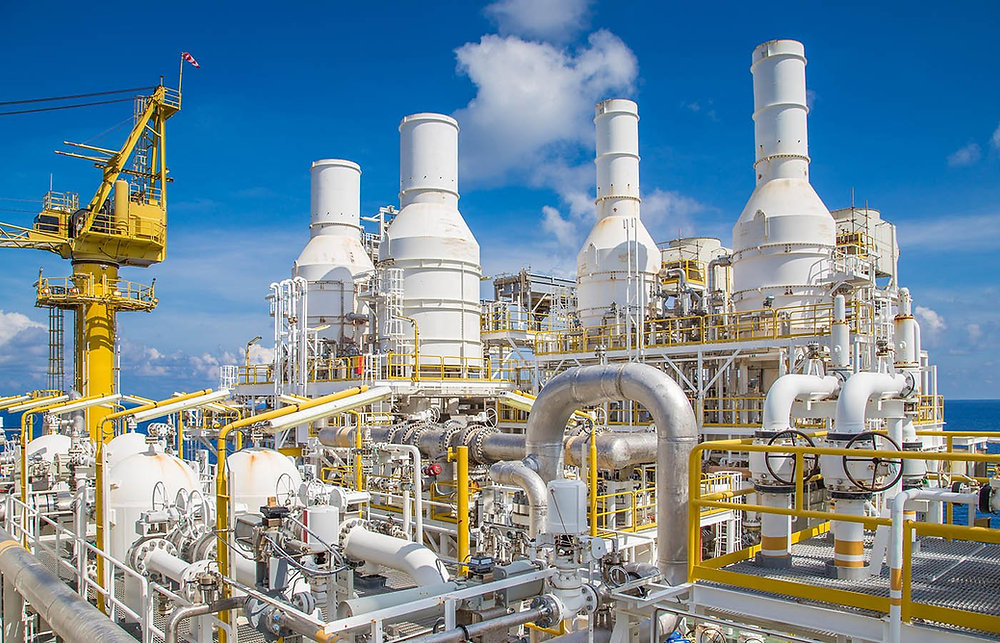
Power Plant Pipe Stress: Analysis, Supports, and Field Services
JSC Engineers brings 20+ years of power plant pipe stress expertise—helping owners and EPCs keep systems within B31.1 allowables, protect turbine nozzles, and prevent outages.
Power generation imposes distinct demands on piping. ASME B31.1 governs the rules of the road and drives different load combinations, support philosophies, and inspection programs than typical process facilities. Our team integrates stress analysis, support design, and field services so your unit stays reliable through startups, shutdowns, and cycling.
Why Power Plant Pipe Stress Is Different
- B31.1 program focus: Power piping load cases, flexibility criteria, support hardware, and owner inspection programs (often annual support inspections) differ from B31.3 practice.
- High temperature and pressure: Critical circuits approach 1000°F and high pressure, making stress range control and thermal growth management essential.
- Steam transients: Routing, slope, drains, and restraint strategy must mitigate steam hammer and other dynamic events.
- Lifecycle maintenance: Springs, snubbers, and expansion joints need periodic surveys and settings checks to avoid load transfer into rotating equipment and HRSG casings.
- High-cycle duty: Peaker and load-following service elevates thermal cycles and fatigue risk unless supports and restraints are tuned.
- Challenging services: Geothermal chemistry and solids loading accelerate wear, demanding robust details and materials.
- Regulated environments: Nuclear and certain utility contexts require added qualification and documentation rigor.

Integrated Services for Power Generation
- Pipe Stress Analysis (B31.1): Operating, startup, shutdown, upset, and seismic load cases; nozzle load compliance (API, NEMA, WRC); flexibility and restraint optimization. See our Pipe Stress Analysis Services.
- Pipe Support Design: Anchors, guides, line stops, variable and constant springs, snubbers, struts, sway braces, shoes, and saddles. Related: Pipe Support Design: Anchors, Guides, Springs.
- Pre-Insulated and Special Supports: Hot and cold service details, low-friction slide interfaces, and contact-corrosion mitigation.
- Vibration & Dynamics: Surge and steam-hammer mitigation, stiffness tuning, restraint thresholds, diagnostic testing.
- Expansion Joint Integration: Bellows selection, tie-rod and anchor schemes, setting procedures, and field verification.
- Field Services: B31.1 support inspections, hanger surveys and re-settings, installation oversight, and emergency troubleshooting.
Boilers: Supercritical Demands on Piping
Supercritical and ultra supercritical boilers run at high temperatures and pressures. Thermal growth can exceed 8 inches per 100 feet in carbon steel and even more in stainless or nickel alloys. These movements, plus casing shifts and pressure loads, drive the support strategy.
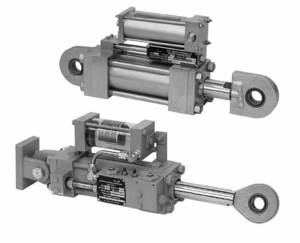
- Furnace and casing springs: Compact constant and variable spring hangers fit tight envelopes while accommodating large movements.
- Dynamic restraints: Snubbers, struts, and sway braces protect against seismic, steam hammer, and other transients without over-restraining thermal motion.
- Expansion joints: Exhaust and duct systems require coordinated anchors and guides to avoid overloading bellows and adjacent nozzles.
Project example: Pipe Stress Analysis for Waste Heat Boiler System – Sealy, TX.
HRSG: The Thermodynamic Link in Combined Cycle
HRSGs harvest combustion turbine exhaust to raise steam for the steam turbine. Exhaust gas can approach ~1300°F, while generated steam can reach ~1200°F and up to ~200 bar. Compact geometry, tight clearances, and shifting boundary conditions demand careful modeling.
- Load paths and settings: Coordinated anchors, guides, and line stops matched to HRSG casing movements and turbine nozzle allowables.
- Cycle and fatigue control: Peaker duty increases stress ranges; spring settings and snubber thresholds must reflect real operating sequences.
- Field tuning: As-found surveys, support tagging, and hot/cold load checks close the loop between model and plant behavior.
Related project: HRSG Pipe Stress Analysis.

Turbines: Protecting High-Value Equipment
Combustion turbine gas paths can exceed ~2300°F while critical alloys are cooled by compressor bleed air. Steam turbine inlets commonly see ~1050°F and ~150 bar. These zones tolerate minimal added load or misalignment, so piping must deliver flexibility without sacrificing support stability.
- Nozzle load compliance: API, NEMA, and WRC methods; selective cold-spring; detail optimization at anchors and expansion joints.
- Support strategy: Low-friction shoes, guided spans, and tuned restraints that pass thermal movement yet control transients.
- Startup/shutdown behavior: Sequencing and expected differentials captured in the stress model to avoid load transfer into casings.
Representative Deliverables
- B31.1 stress models with operating, startup, shutdown, upset, and seismic cases
- Nozzle load reports and compliance matrices
- Support schedules with tagged locations, spring can sizing, travel, and cold load settings
- Snubber and dynamic restraint selection with velocity/acceleration thresholds
- Expansion joint data integration and setting procedures
- Field inspection reports, as-found vs as-designed comparisons, and punchlists

Why JSC Engineers for Power Plant Pipe Stress
- Power focus: Two decades of projects across HRSGs, boilers, main steam, reheat, and balance-of-plant systems.
- Analysis to action: We convert stress outputs into practical support drawings, settings, and procedures your crews can use.
- Lifecycle mindset: Programs for hanger inspection, snubber serviceability, and expansion joint checks to sustain reliability between outages.
Let’s Talk About Your Unit
Planning a retrofit, chasing vibration or steam hammer, or preparing for an outage? We can align power plant pipe stress analysis, supports, and field verification to your schedule.
Contact JSC Engineers to discuss your power plant project.